


Cable Tester
The Cable Tester streamlines cable validation with interchangeable cartridges—combining electrical testing and serviceability in one modular platform.
OVERVIEW + BACKGROUND
Reducing Repair Costs
Pason Systems | Internship Project
Role: Lead Mechanical Design & Electronics Integration
Concept to Deployment: Five Months
Team Members: Three (Two Electricals & Myself)
Background & Problem
Pason provides rental equipment used to collect data, monitor personnel, and track hazards in demanding environments.
Its devices rely on custom cables designed for explosive and exposed conditions, where a single failure can take critical equipment out of service.
With over 2,000 custom cables in Pason’s inventory, reliable testing is essential to reduce downtime, replacement costs, and the risk of field failures.


Existing solutions resort to using custom connector panels such that the cables can be mated on both sides. From here, a 'Hipot' (high voltage) test and continuity test ensure no current leaks through and that all individual pins work.
So what is the problem?
Every Cable Counts
With the average cable costing around $160 CAD, being able to repair even a small percent makes a huge difference.


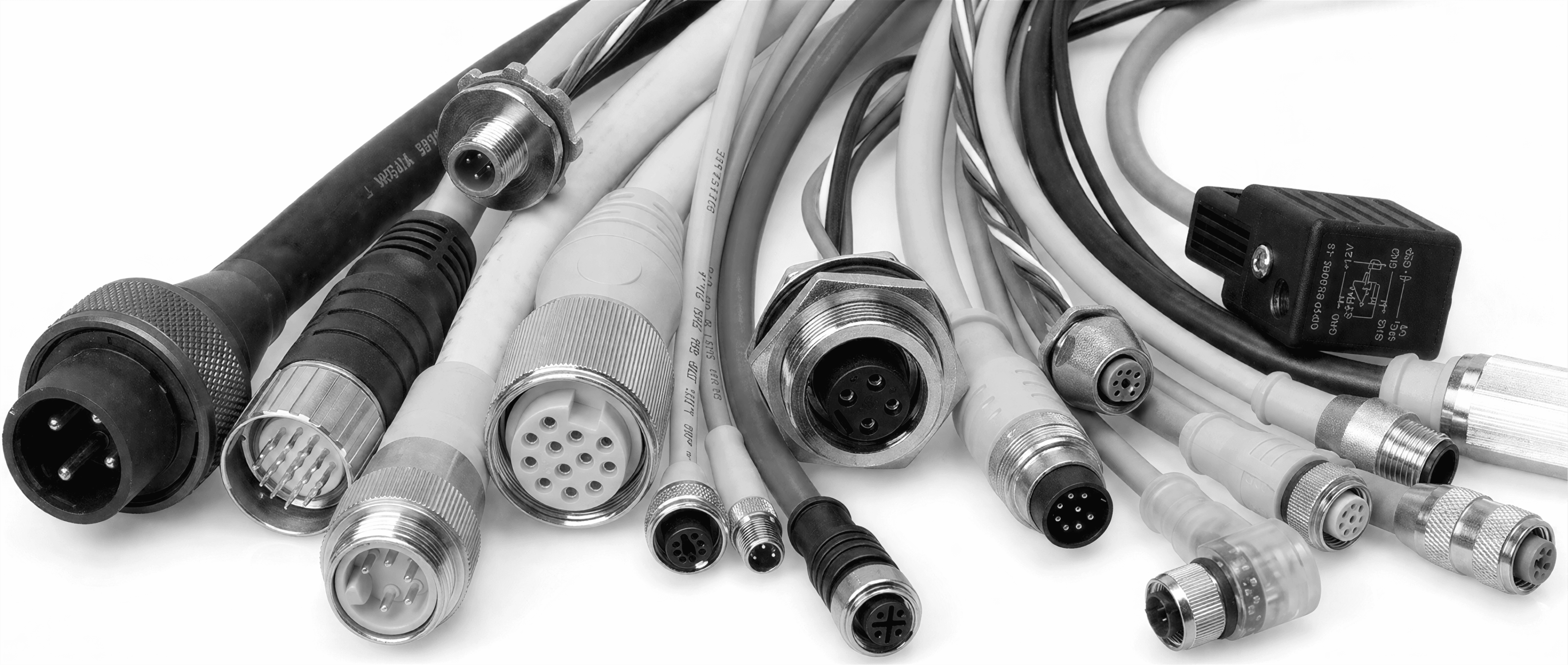


Why existing options didn't work

Eliminating The Unknowns
Development began by defining the extremes the tester needed to support, including the largest connector footprint, heaviest cable assemblies, and maximum pin count. These requirements established the mechanical envelope and PCB trace count and width required for safe high-voltage testing.
Prototyping Different Iterations
The tester progressed through 16 design iterations, with each prototype 3D printed for hands-on testing and feedback from the technicians who would ultimately use it. Each revision improved ergonomics and serviceability while ensuring the final design remained inexpensive and straightforward to machine.
A modular cable testing platform combines interchangeable connector cartridges, positive-locking handles, and precision locating features to accommodate a wide range of cable types.
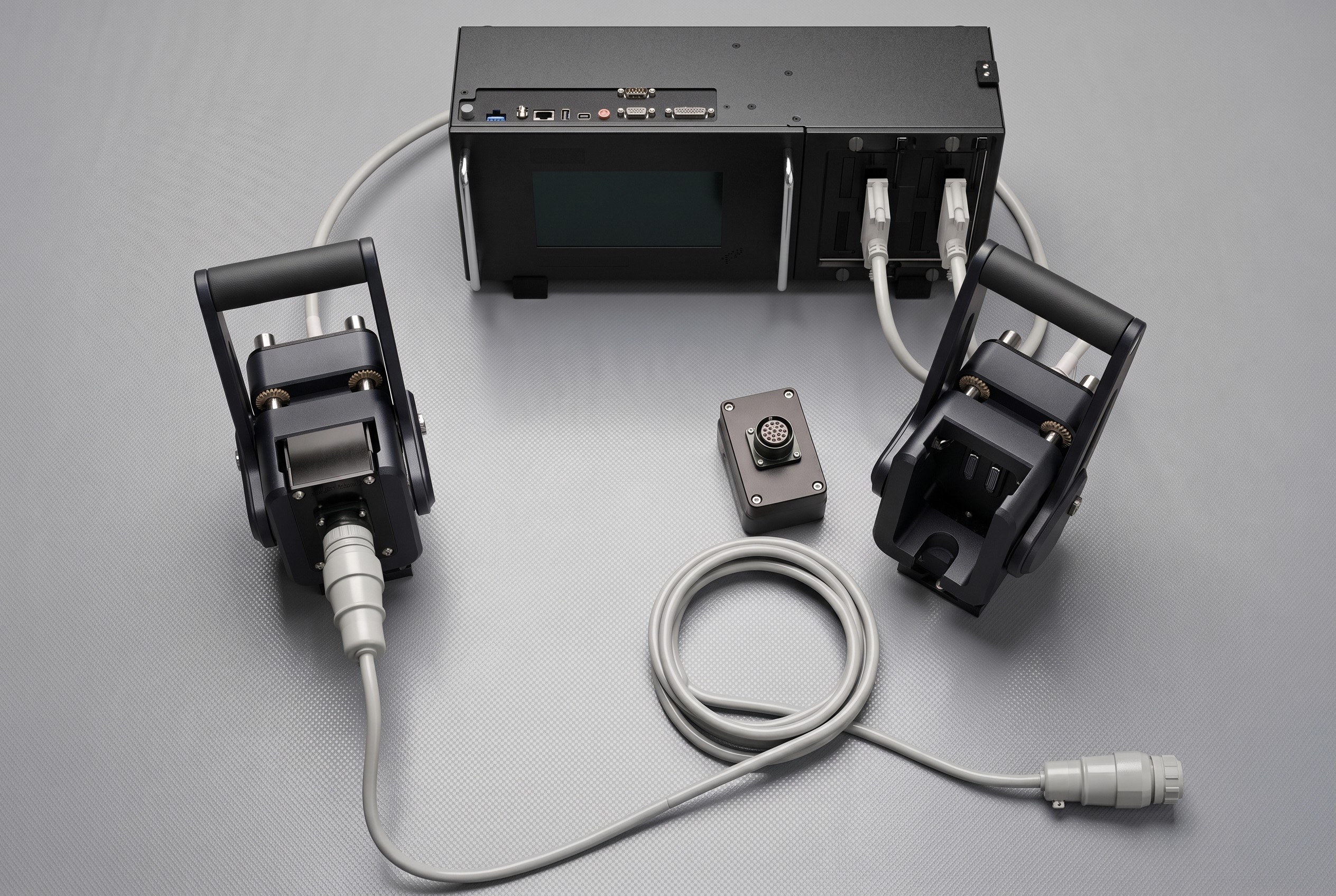

July 18, 2025
Assembly of Final Rev.


Future Proofing | Cartridges
What separates this design from existing cable testers on the market is the ability to change out connectors based on what cables are being tested at any given moment. Each cartridge is constructed from four key components, optimized for both cost and durability.


Robust aluminum shell for machined precision and contact grounding.

Matching male and female connectors allow for individual pin testing.

Main module board delivers 1000 volts to test for arcing between up to 52 pins.

Flex PCBs implemented for all form factors with resistor identification.


User Experience
“The new cable tester has made testing significantly simpler with us being able to use any cartridge on demand... The bins of damaged cables that used to pile up are practically empty since this deployed.”

— Anonymous Field Repair Technician | Emailed Feedback
How to Use The Cable Tester
01
Enter Cable ID
Entering the cable number identifies which two cartridges to use.
02
Insert The Cartridge
Cartridges are placed in each module and locked in placewith the handle.
03
Cable Connected
Cables to be tested are connected to both modules of the tester.
04
Test Commences
A Hipot and continuity test is run on all individual pins.

Save Repair Costs
Resolving issues in individual conductors.
Quick Deployment
Two modules deployed simply.
Future Proof
Constantly updated library of cartridges.